

Key Takeaways
Understanding the financial mechanics behind payout conditions is essential for active traders. This guide summarizes the core functionality of the buffer zone and how it impacts your withdrawal timeline.
- The buffer zone represents the account starting balance plus the maximum trailing drawdown limit.
- Traders must cross this threshold in realized profits before being eligible for any account withdrawals.
- PRO accounts maintain this requirement to verify consistent performance, while PRO+ accounts remove it.
- Strategic risk management during the initial growth phase is critical to prevent hitting drawdown markers.
- Consistent daily trading activity remains a requirement for maintaining account status throughout the funding stages.
What is the Take Profit Trader buffer zone?
The take profit trader buffer zone is a foundational requirement designed to ensure that a trader has achieved a degree of financial self-sufficiency before requesting their first payout. By requiring the account balance to exceed the starting capital plus the maximum drawdown, the firm sets a clear hurdle that validates a trader’s performance in a real-world scenario. While Take Profit Trader outlines these specific rules for their model, many firms in the futures space share similar logic, including Elite Trader Funding, which focuses on transitioning traders to live capital.
How the buffer is calculated
To determine the buffer, one must look at the specific account metrics provided at the start of the funded phase. The calculation is generally defined as the sum of the initial account balance and the total allowed maximum trailing drawdown assigned to the trader. If you have a $50,000 account with a $2,000 drawdown limit, your buffer threshold sits at $52,000. This ensures that any funds removed for a payout do not bring the balance into a state that would technically breach the drawdown rules established during the evaluation period.
The role of the buffer in account growth
The primary function of this buffer is to act as a safeguard for both the firm and the trader. It encourages the accumulation of a safety net that protects the account from minor daily losses that might otherwise lead to a premature breach. Traders who respect this accumulation phase often develop better durability in their strategies. You can explore how to build capital effectively by focusing on sustainable, long-term trade selection rather than aiming for single, massive wins that are difficult to replicate.
Why the buffer zone exists for funded traders
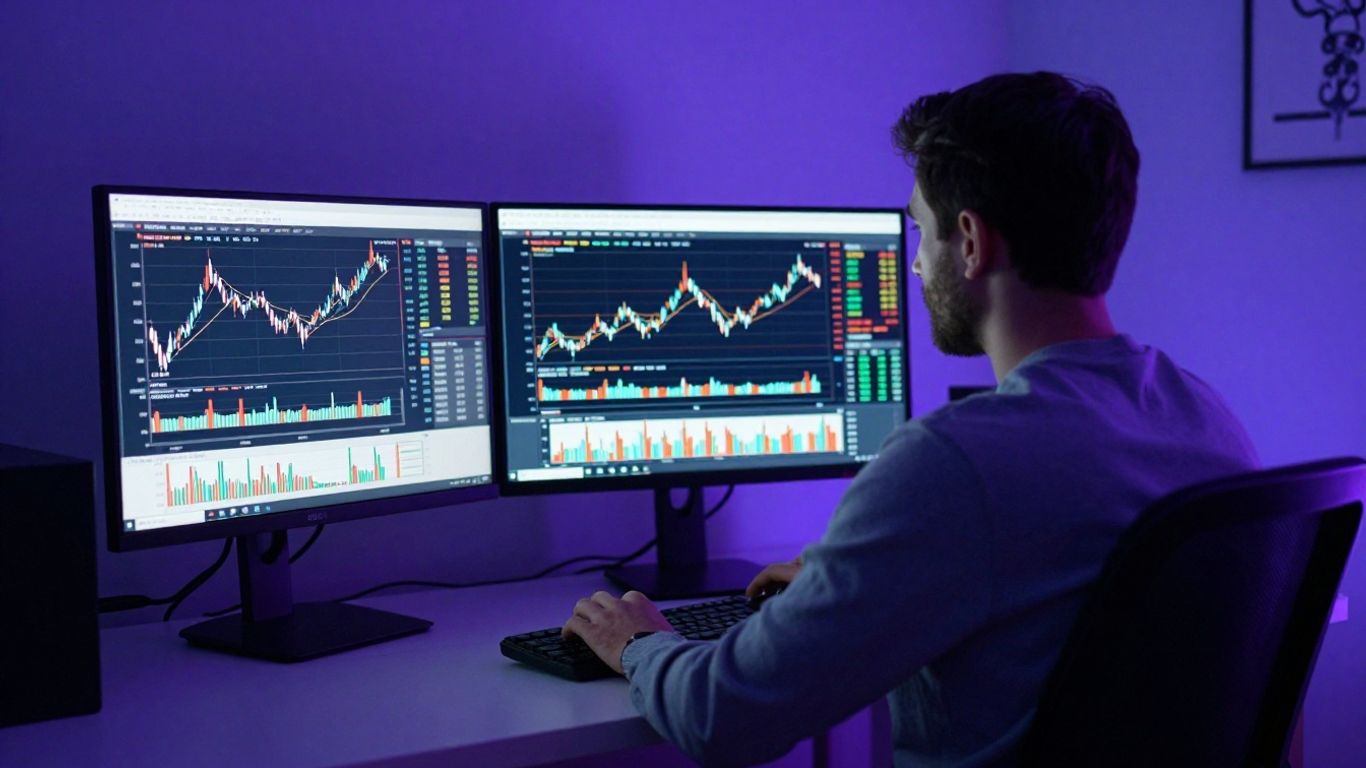
Funded trading environments are inherently different from the evaluation stages because they involve the distribution of actual capital payouts. By mandating a buffer, platforms can verify that a trader isn’t just lucky after a single day of trading but can actually maintain a positive trajectory over time. This structure pushes participants to move beyond the "luck factor" and rely on proven, repeatable methodologies. Elite Trader Funding utilizes its own risk controls to perform a similar function, keeping the ecosystem sustainable for all participating traders.
How to clear the buffer zone effectively
Clearing the threshold requires a disciplined approach to trade sizing and position management. Many successful traders choose to scale their gains by taking smaller, consistent profits rather than swinging for large moves that could potentially trigger a trailing drawdown. The most effective way to clear the buffer is by logging consistent, positive trading days that slowly push your net balance upward. It is important to stay aware of news events, as volatility spikes during high-impact releases like NFP or CPI reports can cause dramatic shifts in account equity that could unexpectedly test your drawdown limits.
Differences between PRO and PRO+ account withdrawal rules
Navigating the transition between account tiers is a milestone for any serious futures trader. The PRO account typically serves as the first funded stage, where the buffer zone and specific intraday drawdown rules are enforced to keep risk exposure strictly controlled. In contrast, the PRO+ tier serves as an accelerated phase for those who have proven they can protect capital consistently. Traders who graduate to the PRO+ level often enjoy more flexibility, including the removal of the buffer requirement and a higher profit split. For those just beginning their path, it is beneficial to reference detailed account guides to understand exactly how these tiers function and which one aligns best with their risk tolerance.
Managing risk while building your balance toward the buffer
When your goal is reaching the buffer zone, risk management must move to the forefront of your daily plan. Rather than looking at the profit target as the only goal, you should treat the maximum drawdown as an absolute "hard stop" for your entire trading career. Many experienced traders maintain a smaller stake in the market while the account is still near the buffer threshold to prevent early elimination. If you are still in the testing phase, you might consider 1 Step Evaluation accounts, which provide a clear framework for proving your edge without getting lost in overly complex, multi-stage rulesets.
Common pitfalls and mistakes with the buffer zone
One of the most frequent errors traders make is trying to "rush" the buffer by increasing their contract size as soon as they see a small profit. This behavior often leads to over-leveraging, where a single bad trade can erase days of careful progress and force a breach of the drawdown limit. Another common mistake is failing to account for the impact of fees on net equity. Always remember that every commission and exchange fee reduces your realized profit, effectively extending the time it takes to reach your withdrawal threshold. Being mindful of these small deductions will help you maintain a clearer picture of your progress.
Conclusion
Navigating the buffer zone is a necessary rite of passage that tests both your mechanical trading skills and your emotional discipline. By focusing on consistent growth, respecting your drawdown limits, and utilizing strategies that provide long-term stability, you can successfully reach the funded status you are working toward. Always choose an Elite Trader Funding plan that suits your specific style and stay committed to the fundamentals of risk management to keep your account growing.
Frequently Asked Questions
What happens if my account balance drops below the buffer after I reach it?
If you drop below the buffer threshold after having cleared it, your ability to request new payouts will generally be paused. You must trade back into the positive territory above the buffer again before the system permits a withdrawal.
Are there specific news events that impact my buffer calculation?
While the news itself does not change the calculation, the market volatility following high-impact reports can quickly shift your account balance. If volatility causes your balance to drop below the drawdown threshold, your account will be closed immediately.
Does the buffer change if I add funds to my account?
Account buffers are typically fixed based on the initial balance and the drawdown rules assigned to your account tier. Adding outside funds is not standard practice in evaluation-based funded accounts and will not typically move the buffer limit.
Can I withdraw just a portion of my profits once I am over the buffer?
Yes, most platforms allow for partial withdrawals once the balance requirements have been satisfied. Always check current withdrawal policies to ensure you retain the minimum capital necessary to keep the account active.
How long does it usually take to process a withdrawal request?
Processing times vary depending on the platform’s administrative requirements and the deposit method chosen. Expect a window of several business days as the firm verifies your trading activity and ensures all rules were followed during the cycle.
Does the consistency rule still apply after I clear the buffer?
Consistency requirements often remain in effect as long as you are using the firm’s capital. These exist to ensure that you are not relying on a few massive, high-risk trades to sustain your equity, but rather on a disciplined strategy.
Am I penalized for not trading every day once I am funded?
Most funded accounts require a minimum level of activity to keep a path active. If you stop trading for an extended period, the firm may consider the account inactive and move to close it, regardless of your balance level.